Sustaining Wonder in Your Creative Practice
When I was a little girl, I poked holes in erasers to find the middle. I wanted to see the very center in order to understand how it was different from what was outside of it. This might have been a forgotten exercise but for one time: I was doing this at my desk in first grade, and, as I poked a hole in the middle and started to pull the eraser pieces away to get to the center, I thought to smell each one. And thus I proceeded. You can imagine what happened next: my mom had to leave her shift early to pick me up for a doctor’s visit. And there, the professional removal, using very long tweezers, of a small piece of eraser from the back of my nose, took place.
When I think about this story now, and about this practice of searching for the center, it feels inextricably linked to my relationship to wonder. Wonder, the gentle cousin of curiosity and awe, is my favorite emotion. I attempt, as much as possible, to sustain a practice of wonder: to let things be what they are and try to understand what they are through the lens of their own autonomous knowledge. As I age, however, this grows ever more challenging. In a world in which we’re over inundated with images, screens, and the barrage of new ways AI makes its way into our lives, alongside being pressed to get as much done as we can in the space of a day, how do we reserve time and energy for wonder and how do we integrate that experience into our creative practices?
I like to think of wonder as an activated process, one that urges us to leave space for what a thing is to itself and to approach each thing, as best we can, as it understands itself. This is a process that attempts to avoid categorization and determinate thought. It exists from a position of being in thinking as an act of acceptance and as a process of being with. This process is okay with never knowing, and it cultivates an awareness and acceptance of staying on the open side of knowing if knowing starts to take shape.
I actively work with this emotion as a practice. It’s something I’ve read and written a lot about, and something I’m intentional about trying to sustain because I believe it can teach us not only a lot about who we are, but a lot about what everything is.
Here are a few things to try if you’re interested in centering wonder:
Don’t reserve your creative practice for the one hour of studio time you have tomorrow. Instead, when you wake up, be intentional about your interactions: with your thoughts, with other people, with nature. I recommend a small journaling practice to begin the day: even 5 minutes to consider this question: What would change if I approached the day through a lens that filtered out assumptions about what things are? Daily, for 5 minutes each morning, return to this question and write.
We’ve all heard the old adage that insanity is doing the same thing over and over again and expecting different results. I don’t believe this is true. To me, repetition is at the heart of wonder. My poetics is built on questions that invoke repetition: How can we see and re-see? What does our reseeing allow us? How can we see better? Feel free to replace “see” with “know” here. As an exercise, try viewing familiar things like they’re new to you (exactly what poetry offers us): feelings, thoughts, your clothes, your face, your creative work, etc. Think of each thing as something entirely new. What questions do you have for it? Make lists of these questions and place them near the objects you are curious about.
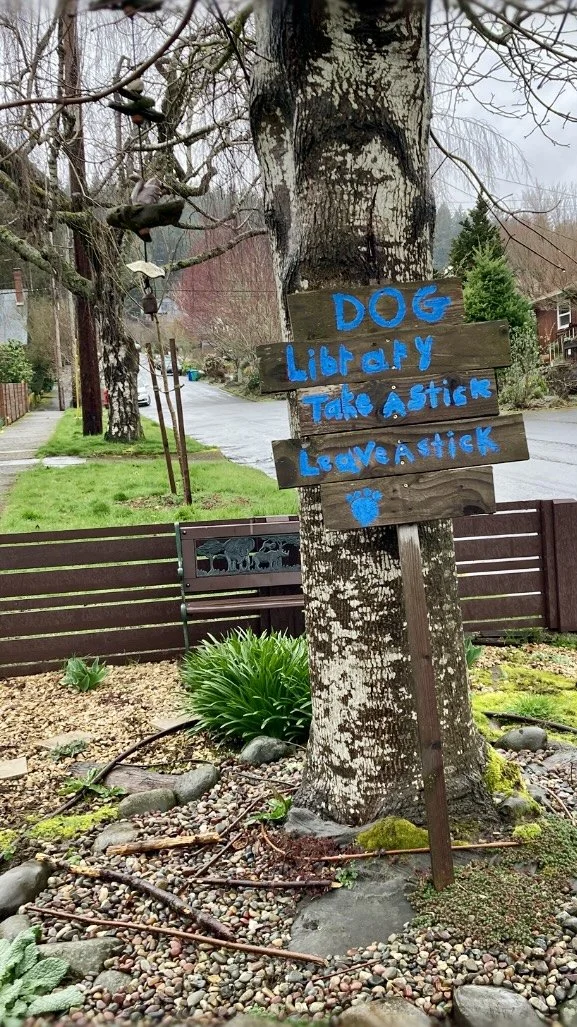
Reimagine. And be present in the reimagining. That chapter you’ve been writing for months: think of it as a pillowcase. Next, imagine it lives up the street, next to the house with the stick library for dogs. Maybe this chapter is really a garden. Buy seed paper and plant it. Maybe this chapter isn’t yours. Give it away. Reimagine how it exists and give it a new life. As you do this, be very intentional about the process.
At the heart of wonder is a basin of questions, a vast collection begging you to be curious, to subvert old narratives by changing your relationship to them, and to reclaim the space of dominant cultural capital by using your imaginative powers to reshape what creativity and a creative practice can look like. The more of us that push back against the belief that creativity is limping across the battlefield in a rapidly escalating war with technology, and that we don’t have the time in our lives to sustain a creative practice, the more connected by possibility we’ll be. It just takes small efforts on our parts and a large belief that creativity and wonder are inviolable parts of us.
