Navigating State-of-the-World Anxieties with Compassion
8 Ways to Support Yourself and Others During Difficult Times
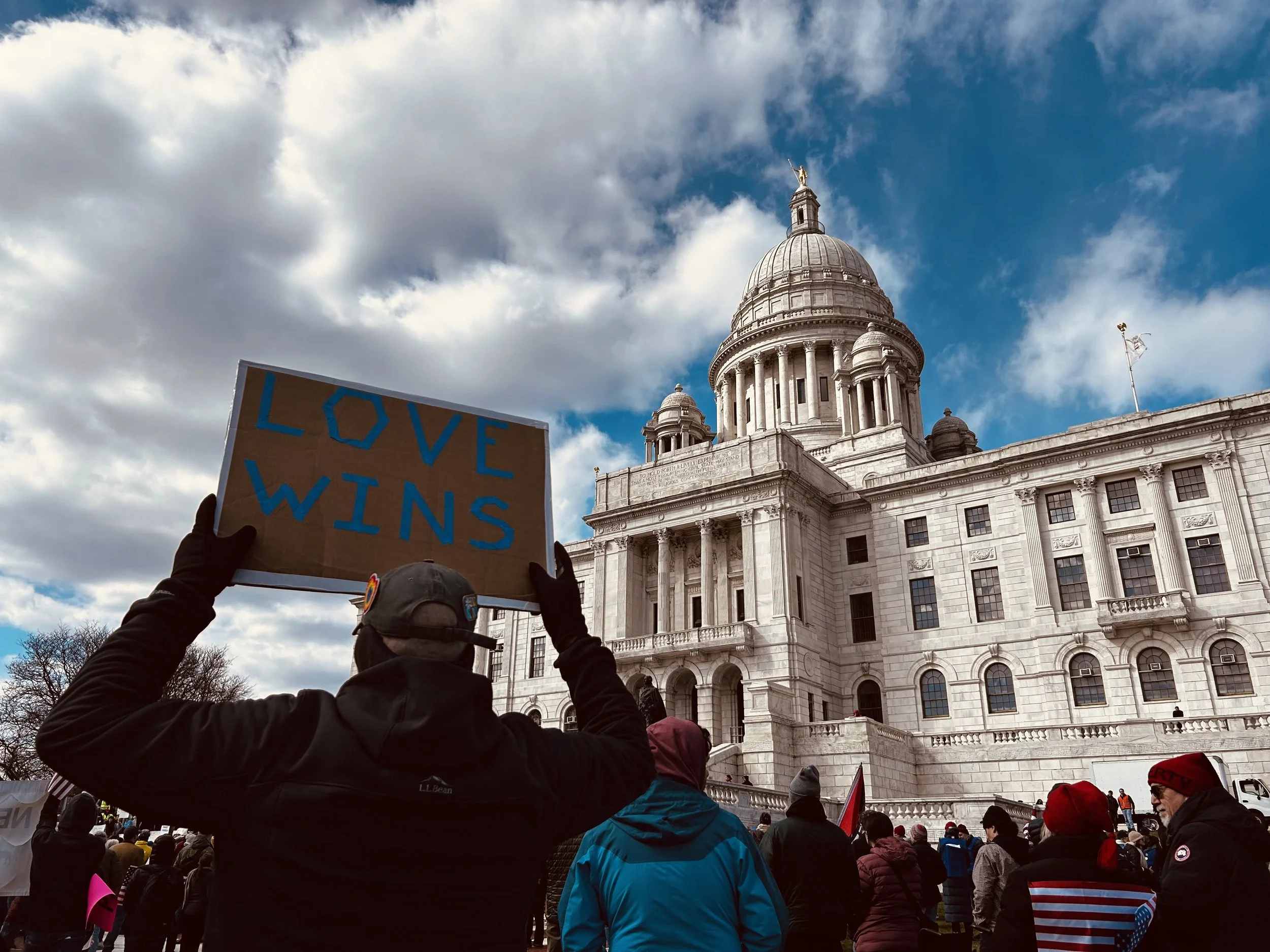
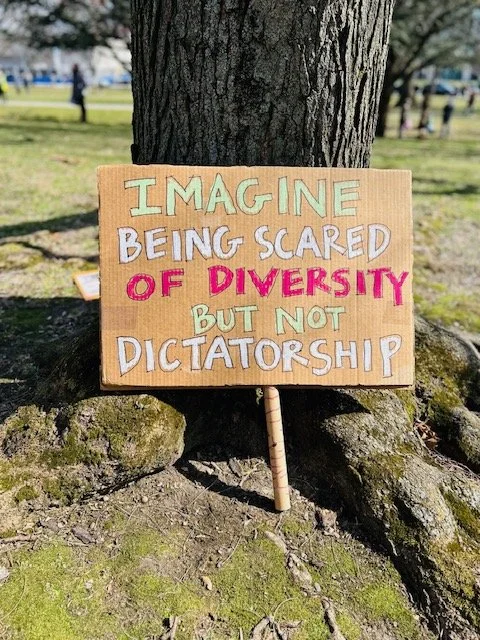
As I marched down the streets of Providence this past Saturday, surrounded by people with deep concerns, big emotions, and a strong desire for change, a supporter taking in the view from the sidewalk shouted, “You are the body politic!” I felt it. I felt I was part of one body marching for change, and it felt like a healthy body. This body was appropriately feeling its feelings and expressing itself through non-violent communication. There was frustration. There was major disappointment. There was urgency. There was hope. There was even joy, in the form of music, community in motion, and some hilarious signs that would be even funnier if it weren’t so damn serious. In other words, the broad spectrum of human emotion was present in this body politic, unsuppressed, with somewhere to be.
I am hearing from many people lately, friends and clients alike, that stress and anxieties are high, on top of personal reasons, because of what is going on here at home, if you live in the U.S., and what is going on abroad. In short, witnessing people suffering and experiential suffering. This heightened state-of-the-world anxiety is a hard one to work with because there can be a feeling of helplessness associated with it. How do we keep taking care of ourselves in the best ways we can when the world is on fire?
After we read or watch the news, scroll our accounts, or actually come into real life contact with inhumane policies, unchecked corruption, financial instability, and heartbreaking violence, our nervous systems can be activated to let us know something is not right. That awareness can bring heightened anxiety. We want to be in control, but we are not in control of so many things. We can try to let go, but simultaneously we don’t want to, or we simply can’t. What we can do is channel our difficult (and valid!) feelings into support for each other and ourselves.
Here are a few strategies, all tried and true with roots in psychology, mindfulness, and activism, to support you as you navigate state-of-the-world anxieties:
Center compassion. Practice using compassionate language when you talk to yourself. Is your internal dialogue supportive and non-judgmental? This is self-compassion. When you share compassion with yourself, it is easier to share it with others.
Talk about it. Do not bottle it up. Rumination and all kinds of disruptions happen when we keep it all inside. Talk about your feelings, fears, and dreams with trusted allies.
Channel your rage in useful ways. Make art, write poems, sing loud, dance hard, get together, be in service to each other, and use your voice.
Self-care is not selfish. If we do not practice basic self-care (sleep, nourishing food, movement, therapy if needed, creative acts), we will not have the energy needed to weather the storm.
Connect with others and nature. Make dates with your friends, sign up for a class, go on a hike, visit a body of water. Connection is the antidote to loneliness and despair.
Practice mental flexibility to foster your resilience. Breath space into your window of tolerance for uncomfortable feelings. Surround yourself with support.
Breath in loving-kindness. Breath out loving-kindness.
Create a daily ritual for peace. Greet your neighbors, light a candle, call a friend, read from a book that informs your care for self and others, be gentle.
Last night I watched the NASA mission moon launch with my daughter on my lap, and I felt something similar to the body politic I felt on Saturday at the march. It is a feeling of collective care and inspiration, of being human and being part of something that, despite immense challenges, moves forward with hope and integrity.